
01.29.26
Fidya Explained: What It Is, Who Pays It, and How Much to Give
During Ramadan, some Muslims are unable to fast due to valid reasons such as illness, pregnancy, or old age. In these situations, Islam provides a clear and compassionate alternative known as Fidya.
Many people have practical questions about Fidya, including when it applies, how much to give, and how it differs from other forms of giving during Ramadan.
This guide explains Fidya in a simple and straightforward way, so you can fulfil this obligation correctly and with confidence.
What Is Fidya?
Fidya is a charitable payment made by someone who is unable to fast during Ramadan and cannot make up the missed fasts later.
It is intended to compensate for each missed fast by providing food, or its equivalent value, to someone in need.
Ibn ‘Abbas رضي الله عنهما said: “The concession of feeding a poor person was revealed for the elderly man and elderly woman who are unable to fast, so they should feed a poor person for each day.” (Sahih Muslim).
Fidya reflects the mercy and flexibility built into Islamic teachings, recognising that not everyone is able to fast due to circumstances beyond their control.
Who Needs to Pay Fidya?
Fidya applies to Muslims who are unable to fast and are not expected to be able to make up the missed fasts at a later time.
This may include people who:
- have a chronic illness
- are elderly and unable to fast safely
- have a medical condition that prevents fasting long term.
In cases where someone is temporarily unable to fast, such as due to short term illness or travel, Fidya is not usually required. Instead, missed fasts can be made up at a later time.
If you are unsure whether Fidya applies to your situation, seeking clarity before acting can help ensure you give correctly.
How Is Fidya Different From Kaffarah?
Fidya and Kaffarah are both forms of compensation related to missed fasts, but they apply in different circumstances.
Fidya is given when a person cannot fast and cannot make up the fasts later.
Kaffarah applies when a fast is deliberately broken without a valid reason and involves a heavier obligation.
Understanding the difference is important to ensure the correct form of giving is fulfilled.
How Much Is Fidya?
For this year, Fidya has been set at $20 per missed fast. Fidya applies to those who are unable to fast due to long-term illness, old age, or another condition where making up the fast later is not possible.
Each missed day of fasting requires Fidya to be paid separately, with the intention of providing food support to someone in need.
When Should Fidya Be Paid?
Fidya can be given during Ramadan or afterwards. Many people choose to give Fidya during Ramadan so that it reaches those in need at a time when support is especially important.
Giving Fidya earlier can also help ensure it is distributed in a timely and effective way.
How Is Fidya Distributed?
Fidya is given to people who are eligible to receive Zakat, with a focus on providing food and basic support.
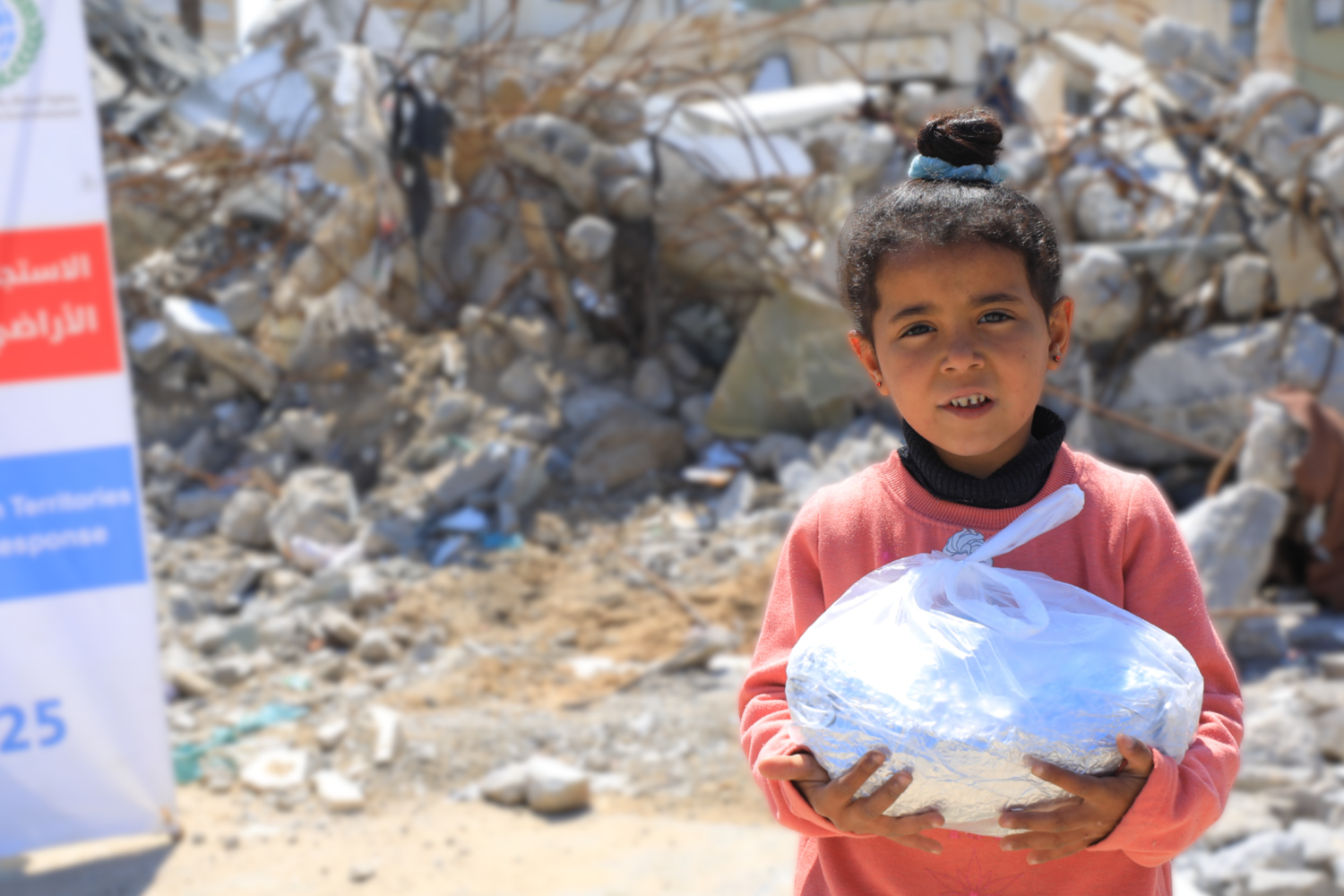
By giving through a trusted charity, you can be confident that Fidya is distributed responsibly and reaches those who need it most.
Islamic Relief Australia works in dozens of countries internationally to ensure Fidya is delivered according to Islamic guidelines and to those who can most benefit from it.
Giving Fidya Through Islamic Relief Australia
Giving Fidya through Islamic Relief Australia helps ensure that your contribution is handled with care and distributed in line with Islamic principles.
This allows families facing hardship to receive essential support with dignity, particularly during Ramadan.
Fidya provides a compassionate option for those who are unable to fast and cannot make up their missed days.
By understanding when Fidya applies, how much to give, and how it is distributed, you can fulfil this obligation with confidence and peace of mind during Ramadan.